
Start Your Hydroponic Farm Anywhere Without Agricultural Land


Growing fresh, healthy crops without owning farmland sounds impossible to many. Yet, hydroponics makes it a reality. This soil-free farming method allows anyone to cultivate plants in places like rooftops, balconies, indoor rooms, containers, and warehouses. You don’t need acres of land or traditional fields to start a productive farm.
Hydroponics uses nutrient-rich water solutions to grow plants, making it ideal for urban spaces and areas with limited or no agricultural land. This article explores how you can start a hydroponic farm without farmland, the benefits and challenges, space requirements, profitability, and the best crops for beginners. Plus, you’ll learn about a practical training program that can help you master hydroponics step-by-step.
How Hydroponics Works Without Agricultural Land
Hydroponics replaces soil with a controlled water and nutrient system. Plants grow in containers filled with inert mediums like coconut coir, perlite, or rockwool. Nutrients dissolve in water and flow directly to the roots, ensuring efficient uptake.
This system removes the need for fertile soil or large outdoor fields. Instead, you can set up hydroponic units almost anywhere:
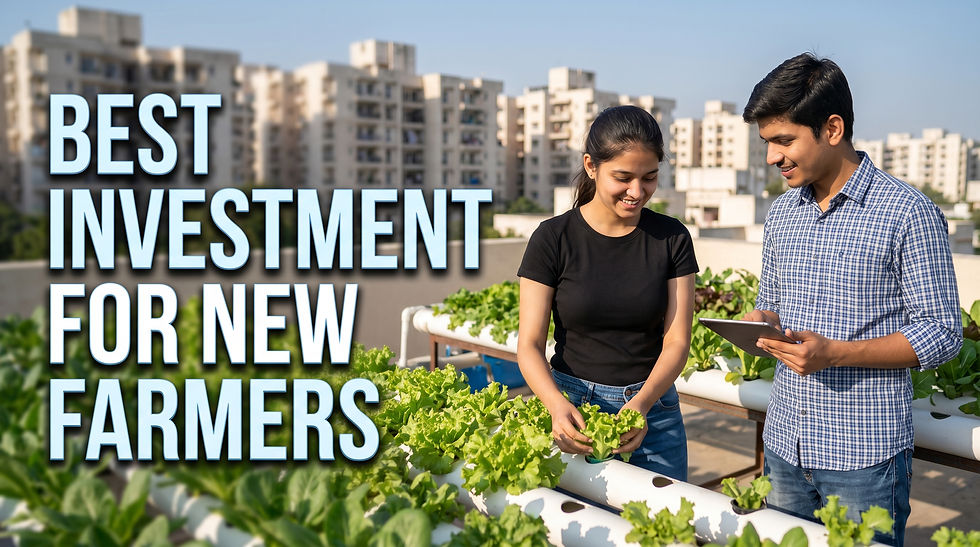
Rooftops: Utilize flat roofs to build vertical or horizontal hydroponic beds.
Balconies: Small-scale setups fit well in apartments or condos.
Indoor spaces: Spare rooms, basements, or garages can become hydroponic farms with grow lights.
Containers: Shipping containers or modified storage units offer controlled environments.
Warehouses: Large-scale commercial hydroponics thrive in warehouses with climate control.
This flexibility opens farming opportunities to urban dwellers, hobbyists, and entrepreneurs without access to traditional farmland.
Benefits of Starting a Hydroponic Farm Without Land
Hydroponic farming offers several advantages over conventional soil farming, especially when you don’t own agricultural land:
Space Efficiency
Hydroponics uses vertical stacking and compact systems, allowing more crops per square foot.
Water Conservation
The closed-loop nutrient system recycles water, using up to 90% less water than soil farming.
Faster Growth
Plants grow 25-50% faster due to optimized nutrient delivery and controlled environments.
Year-Round Production
Indoor or protected setups avoid seasonal limitations, enabling continuous harvests.
Reduced Pests and Diseases
Soil-borne pests and diseases are minimized, lowering the need for pesticides.
Urban Food Security
Growing food close to consumers reduces transportation costs and carbon footprint.
Lower Initial Land Cost
No need to buy or lease expensive farmland, which can be a major barrier for new farmers.
Challenges to Consider When Starting Without Farmland
While hydroponics offers many benefits, it also presents challenges you should be aware of:
Initial Setup Costs
Equipment like grow lights, pumps, nutrient solutions, and containers require upfront investment.
Technical Knowledge
Managing nutrient balance, pH, and environmental conditions demands learning and experience.
Power Dependence
Indoor systems rely on electricity for lighting and pumps, so power outages can disrupt growth.
Space Limitations
Although space-efficient, you still need a dedicated area with proper ventilation and light.
Maintenance
Regular monitoring and cleaning prevent algae growth and system blockages.
Crop Selection
Not all crops thrive in hydroponic systems; choosing the right plants is crucial.
Space Requirements for Hydroponic Farming
The space you need depends on your goals and system type. Here are some examples:
Small-Scale Home Setup
A balcony or spare room of 10-20 square feet can support leafy greens and herbs for personal use.
Medium-Scale Urban Farm
A rooftop or garage of 100-500 square feet can produce enough vegetables to sell locally.
Commercial Warehouse Farm
Thousands of square feet with vertical racks can yield tons of produce for wholesale markets.
Vertical farming techniques multiply your growing area by stacking layers. For instance, a 100-square-foot footprint with 5 vertical layers equals 500 square feet of growing space.
Lighting is key indoors. LED grow lights tailored to plant needs ensure healthy growth without sunlight. Outdoor rooftop or balcony farms rely on natural light but may need shade nets or wind protection.
Profitable Crops for Hydroponic Beginners
Choosing the right crops affects your success and profitability. Beginners should start with easy-to-grow, fast-maturing plants that have good market demand:
Leafy Greens
Lettuce, spinach, kale, arugula, and Swiss chard grow quickly and sell well.
Herbs
Basil, mint, cilantro, parsley, and chives are popular and require minimal space.
Microgreens
These young vegetable greens mature in 7-14 days and command high prices.
Strawberries
Though more challenging, strawberries can be grown hydroponically with good returns.
Tomatoes and Peppers
Require more care but are profitable with proper nutrient and light management.
Starting with leafy greens and herbs helps you learn the basics of nutrient management, pH control, and system maintenance before moving to more complex crops.
Learn Hydroponics Professionally with Maximum Cultivator Modern Hydroponic Course
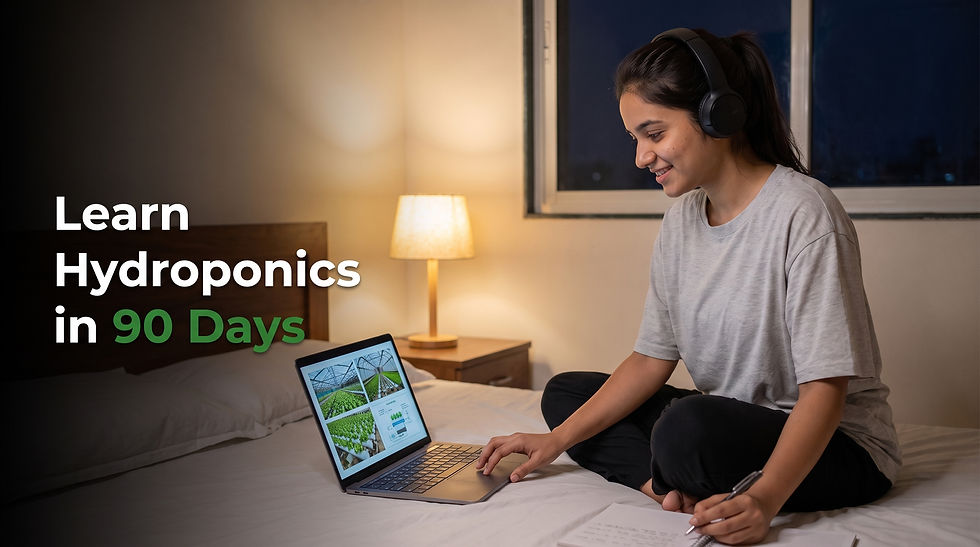
If you want to start your hydroponic farm confidently, gaining practical knowledge is essential. The Maximum Cultivator Modern Hydroponic Course offers a comprehensive 90-day training program designed for beginners and aspiring hydroponic farmers.

This course provides:
Hands-on Learning
Practical exercises cover setting up systems, nutrient management, pH and EC maintenance, and germination techniques.
Certificate of Completion
Validate your skills with a recognized certificate to boost your credibility.
In-depth Resources
Access hydroponics books and materials that explain commercial hydroponics, nutrient solutions, and troubleshooting.
Expert Guidance
Learn from experienced instructors who support you throughout the course.
This structured program helps you avoid common mistakes, understand crop requirements, and build a profitable hydroponic farm without owning farmland.
What You Can Expect From Your Hydroponic Farm
With proper planning and care, hydroponic farms can produce fresh, pesticide-free vegetables year-round. Urban hydroponic farms reduce food miles and provide communities with healthy options. Many growers report faster returns on investment compared to traditional farming due to higher yields and faster crop cycles.
Hydroponics also offers a sustainable way to farm amid shrinking farmland and climate challenges. Whether for personal use or business, you can create a thriving farm without owning agricultural land.
Ready to start your hydroponic journey?
Join the Maximum Cultivator Modern Hydroponic Course https://www.maximumcultivator.com/hydroponic-courses and gain practical skills, expert guidance, a certificate of completion, and access to valuable hydroponics learning resources to confidently build your own hydroponic farm—without needing agricultural land.

Comments