
How to Start Hydroponic Farming at Home for Beginners

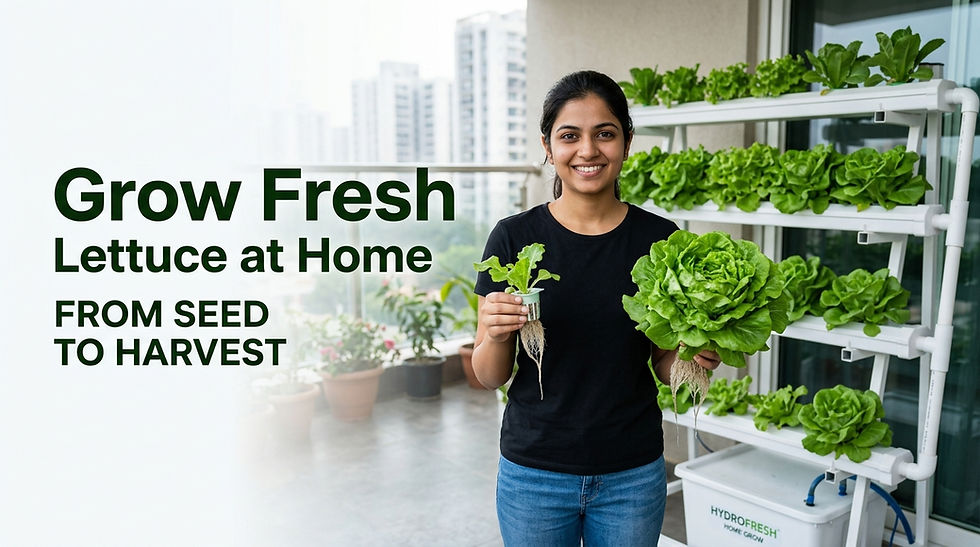
Imagine cutting fresh lettuce from your balcony, plucking basil near your kitchen window, or growing spinach without a single handful of soil. That is the simple magic of hydroponic farming. Plants grow in water, supported by nutrients, light, oxygen, and the right care.

The best part is that you do not need a farmhouse, large terrace, or advanced science background. A small corner, a few basic tools, and a little patience are enough to begin. If you are wondering how to start hydroponic farming at home, this beginner-friendly guide will walk you through the full process step by step.
What hydroponic farming means
Hydroponic farming is a method of growing plants without soil. Instead of getting nutrients from soil, plants receive a balanced nutrient solution mixed in water.
The roots may sit in water, mist, cocopeat, clay balls, perlite, or another growing medium. The goal is simple: give plants exactly what they need, in the right amount, at the right time.
This makes hydroponic gardening at home useful for people who have limited space, poor soil, or want cleaner and more controlled growing.
Choose the right hydroponic system
For a beginner, system selection matters. Start simple before moving to advanced designs.
Kratky system
This is one of the easiest systems. Plants sit above a nutrient solution, and roots grow down into the water. No pump is needed.
Best for:
Lettuce
Spinach
Basil
Mint
Deep water culture system
In this system, roots stay in nutrient-rich water, and an air pump adds oxygen. It is slightly more active than Kratky but still beginner-friendly.
Best for leafy greens and herbs.
Nutrient film technique system
A thin flow of nutrient water runs through pipes or channels. This is common in commercial setups, but beginners can try it after learning the basics.
Best for:
Lettuce
Coriander
Pak choi
Strawberries, with care
For your first home hydroponic system, a Kratky or deep water culture setup is the safest choice.
Gather the basic equipment
A simple hydroponic setup for beginners does not need to be expensive. You can start with:
A food-grade plastic container or bucket
Net pots
Growing medium
Hydroponic nutrient solution
pH meter or pH strips
EC or TDS meter
Air pump and air stone, if using deep water culture
Seeds or seedlings
Grow light, if natural light is weak
If you grow near a sunny balcony or window, you may not need artificial light at first. For indoor hydroponic farming, a full-spectrum grow light is useful, especially for leafy greens.
Pick a growing medium
Growing media support the plant roots. They do not feed the plants like soil does.
Common options include:
Growing medium | Best use | Beginner note |
Cocopeat | Seed starting and herbs | Wash and buffer if needed |
Clay balls | Net pots and reusable systems | Easy to clean and reuse |
Rockwool | Germination | Handle carefully and soak before use |
Perlite | Root aeration | Often mixed with cocopeat |
For Indian homes, cocopeat and clay balls are easy to find and beginner-friendly.
Mix nutrients and manage pH and EC
Plants need nitrogen, phosphorus, potassium, calcium, magnesium, and trace minerals. These come from hydroponic nutrients, usually sold as A and B solutions or powder mixes.
Follow the label instructions. Do not guess the dose. Too much nutrient can burn roots, and too little can slow growth.
Manage pH
pH shows how acidic or alkaline the water is. Most leafy greens grow well around 5.5 to 6.5 pH.
Check pH after mixing nutrients. If needed, use pH up or pH down solution in small amounts.
Manage EC
EC shows nutrient strength in the water. It helps you know whether the solution is too weak or too strong. The ideal EC depends on the crop and growth stage.
For example:
Seedlings need a mild solution
Lettuce and herbs need moderate strength
Fruiting crops like tomato need stronger feeding
Learning pH and EC in hydroponics is one of the most valuable skills for repeat success.
Grow beginner-friendly crops first
The best plants for hydroponics are fast-growing, compact, and forgiving.
Start with:
Lettuce
Spinach
Basil
Mint
Coriander
Pak choi
Kale
Fenugreek microgreens
Avoid starting with tomato, cucumber, capsicum, or strawberry unless you are ready for more care. These crops need stronger light, support, pollination, and closer nutrient control.
Understand the basic setup cost
The hydroponic farming cost depends on system size and quality of materials.
A small DIY setup in India can often be started with basic containers, net pots, seeds, nutrients, and meters. Costs increase when you add grow lights, pumps, timers, larger reservoirs, and ready-made systems.
To keep the first setup affordable:
Start with 4 to 8 plants
Use a simple Kratky box
Buy small packs of nutrients
Invest in a pH meter and EC meter early
Expand only after one successful harvest
Avoid common beginner mistakes
Most beginners fail because of small errors, not because hydroponics is difficult.
Watch out for these mistakes:
Using normal garden fertiliser instead of hydroponic nutrients
Ignoring pH and EC readings
Keeping plants in hot, stagnant water
Giving too little light
Starting with difficult crops
Overcrowding plants
Not cleaning the reservoir between cycles
Clean water, good airflow, and regular checking can prevent many problems.

Learn faster with structured guidance
You can learn hydroponics through trial and error, but a clear course can save time and confusion.
The Maximum Cultivator Modern Hydroponic Course is designed as a 90-day Modern Hydroponic Course for learners who want step-by-step guidance. It includes a certificate of completion and extra learning resources or books on nutrient management, pH and EC maintenance, germination, and other hydroponic practices.
This kind of structured learning is helpful when you want to move from a small home trial to a more confident setup.
Harvest the right way
Leafy greens are usually ready when leaves look full and healthy. Instead of pulling the whole plant, cut outer leaves and allow the centre to keep growing.
For herbs like basil and mint, pinch from the top. This encourages bushier growth.
Harvest in the morning when leaves are fresh. Wash gently, store in a clean container, and enjoy the reward of growing food at home.
FAQs
Can hydroponic farming be done at home?
Yes. A small balcony, window area, terrace, or indoor corner can work if plants get enough light and care.
Is hydroponic food safe?
Yes, when you use clean water, food-safe containers, and proper hydroponic nutrients.
Do hydroponic plants need sunlight?
Most plants need strong light. Natural sunlight works well, but indoor setups may need grow lights.
Which crop is best for beginners?
Lettuce, spinach, basil, mint, and coriander are great beginner crops.


Comments