
Top 5 Hydroponic Challenges and Their Effective Solutions

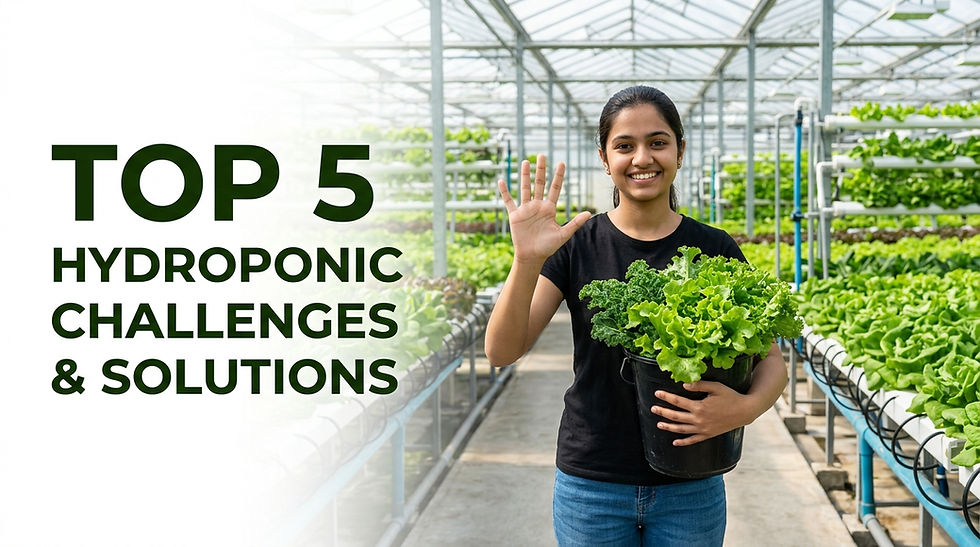
Hydroponic gardening offers a fantastic way to grow plants efficiently, especially in urban spaces or areas with poor soil. Yet, beginners often face challenges that can slow growth or damage plants. Understanding common hydroponic problems and how to fix them can save time, money, and frustration. This guide covers five frequent issues you may encounter: yellow leaves, root rot, algae growth, nutrient deficiencies, and pH imbalance. Each section explains the problem clearly and offers practical, easy-to-follow solutions.
Yellow Leaves
Yellow leaves are one of the first signs that something is wrong in your hydroponic system. This symptom usually points to nutrient problems or environmental stress.
Causes
Lack of nitrogen or other essential nutrients
Overwatering or poor oxygen supply to roots
Light stress, either too much direct light or too little
Solutions
Check your nutrient mix and ensure it contains balanced nitrogen, phosphorus, and potassium.
Aerate the nutrient solution to increase oxygen around roots.
Adjust lighting to provide bright but indirect light for most leafy greens.
Remove severely yellow leaves to help the plant focus energy on healthy growth.
Root Rot
Root rot happens when roots stay too wet and oxygen-starved, allowing harmful fungi or bacteria to grow. It can quickly kill your plants if untreated.
Causes
Poor water circulation or stagnant water
High temperatures in the nutrient solution
Contaminated equipment or growing media
Solutions
Use an air pump or water pump to keep water moving and oxygenated.
Keep nutrient solution temperature between 65°F and 75°F (18°C to 24°C).
Sterilize all equipment before use and replace growing media regularly.
Trim off brown, mushy roots and treat with a mild hydrogen peroxide solution to kill pathogens.
Algae Growth
Algae can take over your hydroponic system, competing with plants for nutrients and oxygen. It also clogs pumps and tubes.
Causes
Exposure of nutrient solution to light
Excess nutrients in the water
Warm temperatures encouraging algae growth
Solutions
Cover reservoirs and tubing to block light.
Use opaque containers instead of clear ones.
Maintain proper nutrient levels and avoid overfeeding.
Clean your system regularly to remove algae buildup.
Nutrient Deficiencies
Plants need a precise balance of nutrients to thrive. Deficiencies cause stunted growth, discoloration, and poor yields.
Common Deficiencies and Signs
Nitrogen: Yellowing older leaves
Magnesium: Yellowing between leaf veins
Calcium: Distorted new leaves and blossom end rot
Iron: Yellowing young leaves with green veins
Solutions
Use a complete hydroponic nutrient formula designed for your plant type.
Test nutrient solution regularly with a TDS (total dissolved solids) meter.
Adjust nutrient concentrations based on plant growth stage.
Flush the system occasionally to prevent salt buildup.
pH Imbalance
pH affects nutrient availability. If the pH drifts too high or too low, plants cannot absorb nutrients properly, leading to deficiencies.
Ideal pH Range
Most hydroponic plants grow best between pH 5.5 and 6.5.
Causes
Nutrient solution changes over time
Using tap water with high alkalinity
Adding nutrients without checking pH
Solutions
Test pH daily with a reliable pH meter or test strips.
Use pH up or pH down solutions to adjust levels.
Use filtered or distilled water if tap water is problematic.
Keep a log of pH readings and adjustments to track trends.
Slow Plant Growth
Slow growth can result from many factors including poor light, incorrect nutrient balance, or environmental stress.
Causes
Insufficient light intensity or duration
Nutrient imbalances or deficiencies
Temperature extremes or poor airflow
Solutions
Provide at least 12-16 hours of quality grow light daily.
Check and adjust nutrient solution regularly.
Maintain temperatures between 65°F and 80°F (18°C to 27°C).
Ensure good air circulation around plants.

🌱 Final Thoughts
Hydroponic farming offers incredible advantages, but like any growing method, it requires the right knowledge and precision. Most common problems—whether it’s nutrient imbalance, pH fluctuations, root issues, or slow growth—are not failures, but learning opportunities. With proper understanding and timely action, these challenges can be easily managed and even prevented.
The key difference between struggling growers and successful hydroponic farmers is guided learning and practical knowledge. Instead of relying on trial and error, learning the correct techniques from the beginning can save time, money, and effort while ensuring consistent results.
If you are serious about mastering hydroponics and want to confidently build, manage, and scale your system, the Modern Hydroponic Course by Maximum Cultivator is designed to help you at every step. From system setup and nutrient management to troubleshooting and advanced growing techniques, this course provides everything you need to grow successfully.
🌿 Stop guessing. Start growing with confidence. Take the next step in your hydroponic journey today:


Comments