
Mastering pH: Essential Solutions for Common Hydroponic Problems

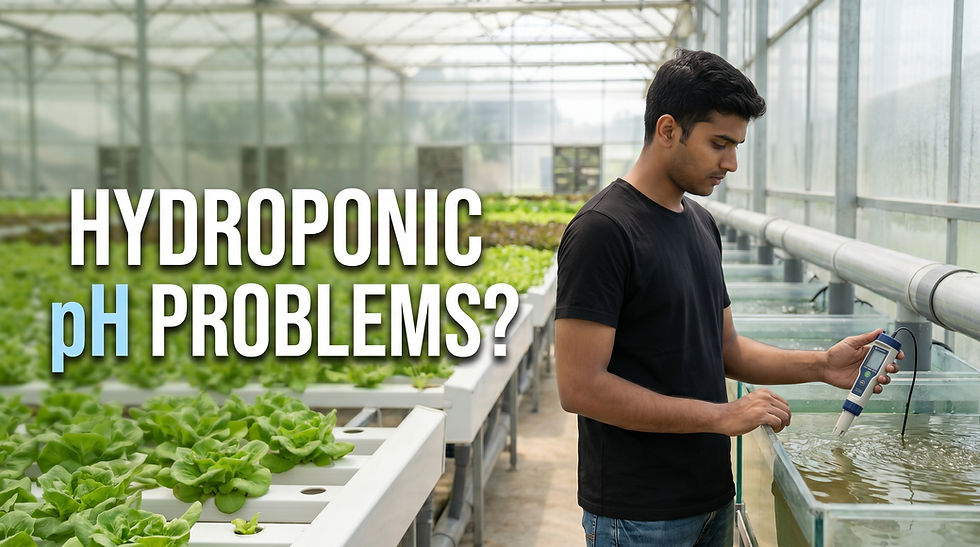
Maintaining the right pH balance in hydroponics is one of the most critical factors for healthy plant growth and high yields. When the pH level strays too far from the ideal range, plants struggle to absorb nutrients, leading to stunted growth, yellowing leaves, and weak roots. These issues are common in hydroponic systems but can be fixed quickly with the right knowledge and tools. Understanding how to identify and correct hydroponic pH problems will help you protect your crops and maximize your harvest.
What is pH in Hydroponics?
pH measures how acidic or alkaline a solution is on a scale from 0 to 14, with 7 being neutral. In hydroponics, pH refers to the acidity or alkalinity of the nutrient solution that feeds your plants. This balance affects how well plants can absorb essential nutrients like nitrogen, phosphorus, potassium, and trace minerals.
If the pH is too high (alkaline) or too low (acidic), certain nutrients become unavailable to plants, causing nutrient lockout. This means even if nutrients are present, plants cannot take them up effectively, leading to deficiencies and poor growth.
Ideal pH Range for Hydroponic Crops
Most hydroponic crops thrive in a slightly acidic environment. The ideal pH for hydroponics generally falls between 5.5 and 6.5. Within this range, nutrient availability is optimized for most leafy greens, herbs, and fruiting plants.
Leafy greens like lettuce and spinach prefer pH around 5.5 to 6.0.
Fruiting crops such as tomatoes and peppers do well closer to 6.0 to 6.5.
Staying within this range helps prevent hydroponic nutrient lockout and supports healthy root development.
Common Signs of pH Problems
Recognizing symptoms early can save your crop from serious damage. Here are common signs that indicate pH problems in your hydroponic system:
Yellow leaves: Often a sign of nutrient deficiencies caused by improper pH.
Stunted growth: Plants fail to reach their expected size or growth rate.
Nutrient lockout: Despite adding nutrients, plants show deficiency symptoms.
Slow root development: Roots appear weak, brown, or underdeveloped.
Weak plants: Overall poor vigor and susceptibility to pests or diseases.
If you notice these symptoms, testing and adjusting your system’s pH should be your first step.
Causes of pH Fluctuations in Hydroponics
Several factors can cause pH to fluctuate in your hydroponic system:
Water quality: Tap water with high alkalinity or hardness can raise pH.
Nutrient solution changes: Adding nutrients or supplements can alter pH.
Plant uptake: As plants absorb nutrients, they can change the pH of the solution.
Microbial activity: Beneficial microbes can produce acids or bases affecting pH.
Reservoir contamination: Algae or debris buildup can shift pH levels.
Understanding these causes helps you prevent sudden pH swings that stress plants.
How to Fix High pH Fast
If your hydroponic pH is above 6.5, follow these steps to bring it down quickly:
Use a pH down solution: These are acid-based products designed to lower pH safely.
Add small amounts gradually: Adjust in small increments, mixing well and retesting after 15-30 minutes.
Check water source: If your water is naturally alkaline, consider using filtered or reverse osmosis water.
Clean your reservoir: Remove algae or debris that may be raising pH.
Monitor regularly: Test pH daily until stable.
Lowering pH too quickly can shock plants, so aim for gradual correction.
How to Fix Low pH Fast
If your pH drops below 5.5, use these methods to raise it:
Use a pH up solution: These alkaline products increase pH safely.
Add in small doses: Like with pH down, add slowly and retest frequently.
Check nutrient concentration: Overfeeding can acidify the solution.
Flush system if needed: Replace nutrient solution if pH remains unstable.
Keep reservoir clean: Prevent buildup of acids from organic matter.
Maintaining a stable pH prevents hydroponic nutrient lockout and supports healthy plant growth.
Best Tools to Measure pH Accurately
Accurate pH measurement is essential for fixing pH in hydroponics. Here are the best tools to use:
Digital pH meters: Provide quick, precise readings. Look for models with automatic temperature compensation.
pH test strips: Affordable and easy but less accurate than digital meters.
pH pens: Portable and convenient for quick checks.
Calibration solutions: Use pH 4.0 and 7.0 buffer solutions to calibrate meters regularly.
Calibrating your pH meter weekly ensures reliable readings and better pH management.
How to Prevent Future pH Problems
Preventing pH issues saves time and protects your crop. Follow these tips:
Use quality water: Test and treat your water before use.
Maintain clean reservoirs: Regularly clean to avoid algae and debris buildup.
Monitor pH daily: Early detection prevents major problems.
Calibrate meters often: Keep your tools accurate.
Adjust nutrients carefully: Avoid overfeeding or sudden changes.
Use buffering agents: Products like potassium bicarbonate help stabilize pH.

If you want to deepen your knowledge and master hydroponic farming, explore Maximum Cultivator’s Modern Hydroponic Course — designed for beginners, farmers, and entrepreneurs who want practical success in hydroponics. Learn everything from system setup, nutrient management, pH control, crop selection, pest management, and profitable farming methods step-by-step.
To make pH management even easier, check out the pH Range Book by Maximum Cultivator, a handy guide that helps you maintain the correct pH levels for different hydroponic crops and avoid nutrient lockout issues.
🌱 Start learning today and grow smarter with Maximum Cultivator:👉 https://maximumcultivator.com


Comments