
Hydroponics Business Plan for Beginners: Complete Guide to Starting a Profitable Farm

Starting a hydroponic farming business offers a promising path for beginners, students, entrepreneurs, urban farmers, and agriculture enthusiasts. Hydroponics allows growing plants without soil, using nutrient-rich water solutions, making it ideal for urban spaces and areas with poor soil quality. This guide will walk you through a clear hydroponics business plan, helping you launch a profitable venture with confidence.
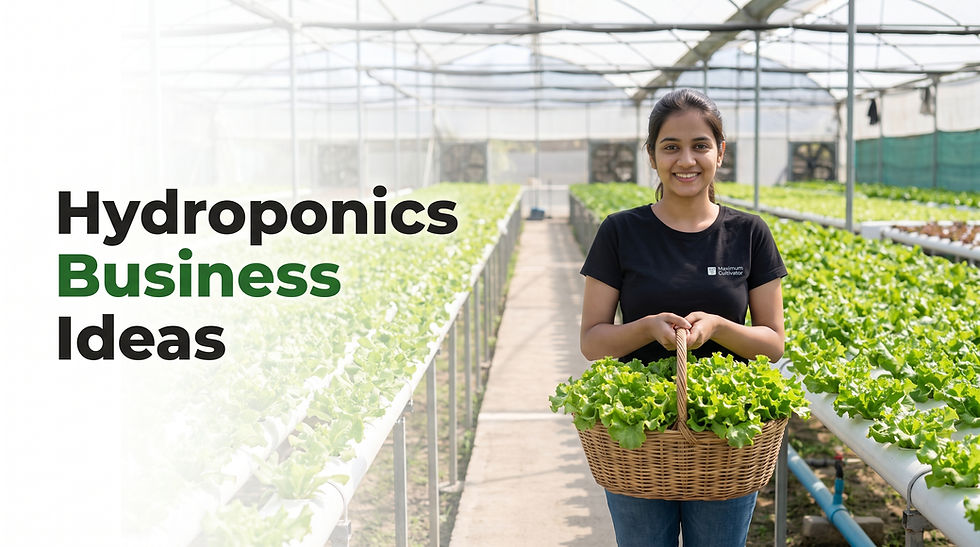
Introduction to Hydroponic Farming Business
Hydroponic farming uses water-based nutrient solutions to grow plants, eliminating the need for soil. This method offers faster growth rates, higher yields, and efficient use of water and space. For beginners, hydroponics presents an accessible way to start farming, especially in urban areas where land is limited.
The hydroponic farming business involves setting up systems to grow vegetables, herbs, or fruits and selling the produce to local markets, restaurants, or consumers. With the right plan, this business can be both sustainable and profitable.
Why Hydroponics is a Profitable Business Opportunity
Hydroponics reduces dependency on traditional farming challenges like soil quality, pests, and unpredictable weather. It allows year-round production, which means continuous income. The controlled environment also leads to higher quality crops that fetch premium prices.
Key reasons hydroponics is profitable:
Higher crop yields per square foot compared to soil farming
Faster growth cycles, enabling multiple harvests annually
Water efficiency, using up to 90% less water than traditional farming
Ability to grow in urban spaces, reducing transportation costs and spoilage
Growing consumer demand for fresh, pesticide-free produce
Market Demand for Hydroponically Grown Vegetables
Consumers increasingly prefer fresh, locally grown, and chemical-free vegetables. Hydroponic produce meets these demands with clean, nutrient-rich crops. Urban populations, health-conscious buyers, and restaurants are key markets.
In India, the demand for hydroponically grown vegetables like lettuce, spinach, tomatoes, and herbs is rising. This trend is driven by urbanization, awareness of food safety, and the need for sustainable farming methods.
Step-by-Step Hydroponics Business Plan
Creating a solid hydroponics business plan involves several important steps:
Choosing the Right Hydroponic System
Select a system based on your space, budget, and crop choice. Common systems include:
Nutrient Film Technique (NFT): Thin film of nutrient solution flows over roots; ideal for leafy greens.
Deep Water Culture (DWC): Roots suspended in oxygenated nutrient solution; simple and cost-effective.
Drip System: Nutrient solution drips onto plant roots; suitable for larger plants.
Aeroponics: Roots misted with nutrients; high-tech and efficient but costly.
For beginners, NFT or DWC systems are easier to manage and affordable.
Selecting High-Value Crops
Focus on crops with good market demand and fast growth. Examples:
Leafy greens: Lettuce, spinach, kale
Herbs: Basil, mint, coriander
Fruiting crops: Tomatoes, cucumbers, strawberries
Choose crops that suit your hydroponic system and local market preferences.
Investment and Setup Costs
Initial investment depends on system type, scale, and infrastructure. Typical costs include:
Hydroponic system setup (tanks, pumps, grow trays)
Seeds or seedlings
Nutrient solutions and growing media
Lighting (if indoor)
Climate control equipment (fans, heaters)
Marketing and packaging
A small-scale setup can start from ₹50,000 to ₹2,00,000, while commercial farms require higher capital.
Nutrient Management and Water Quality
Maintaining the right nutrient balance is critical. Plants need macro and micronutrients in precise amounts. Use commercial hydroponic nutrient mixes or prepare your own based on crop needs.
Water quality affects nutrient uptake. Use clean, filtered water free from contaminants. Regularly check water parameters to avoid plant stress.
pH and EC Monitoring
pH and Electrical Conductivity (EC) are key indicators of nutrient availability.
pH should typically range between 5.5 and 6.5 for most crops.
EC measures nutrient concentration; ideal levels vary by crop.
Use digital meters to monitor and adjust pH and EC daily. This ensures optimal growth and prevents nutrient deficiencies or toxicities.
Marketing and Selling Your Produce
Build relationships with local markets, grocery stores, restaurants, and direct consumers. Highlight the benefits of hydroponic produce: freshness, pesticide-free, and sustainable.
Use social media and local events to create awareness. Packaging should be attractive and informative. Consider subscription models or home delivery for steady sales.
Introducing Maximum Cultivator's Modern Hydroponic Course
For beginners and aspiring agripreneurs, Maximum Cultivator offers a 90-day structured Hydroponics Course https://www.maximumcultivator.com/hydroponic-coursesdesigned to provide practical knowledge and skills. This course covers everything from system setup to nutrient management and marketing.

Course highlights:
Comprehensive hydroponics training for beginners
Certificate upon successful completion
Access to valuable learning resources including Nutrient Management Book, pH & EC Maintenance Book, Germination Guide, and more
Practical insights to avoid common mistakes and build a profitable hydroponic farming business
This course is an excellent way to gain confidence and expertise before investing in your hydroponics business.
Why Learn Hydroponics from Maximum Cultivator?
Choosing the right training can save time, money, and effort. Maximum Cultivator’s course helps learners:
Understand the science behind hydroponics in simple terms
Avoid costly errors in system design and nutrient management
Learn effective marketing strategies to sell produce
Gain a recognized Hydroponics Certificate to boost credibility
Access ongoing support and updated resources
This training equips you with the tools to build a successful hydroponic farming business from the ground up.
Expected ROI and Profit Potential
Hydroponic farms can yield returns within 6 to 12 months depending on scale and crop choice. Profit margins vary but can reach 20-30% or higher due to premium pricing and efficient resource use.
For example, a small hydroponic lettuce farm producing 500 heads per month can generate ₹50,000 to ₹75,000 in revenue, with operational costs around ₹30,000, resulting in a healthy profit.
Future of Hydroponics in India
India’s growing population, urbanization, and water scarcity make hydroponics a vital farming method. Government initiatives and increasing awareness support hydroponic adoption.
The future holds opportunities for innovation, larger commercial farms, and integration with smart technologies. Hydroponics will play a key role in ensuring food security and sustainable agriculture.
Starting a hydroponic farming business requires planning, knowledge, and dedication. With the right hydroponics business plan and training, you can build a profitable venture that meets modern food demands.
Take the next step by enrolling in Maximum Cultivator’s Modern Hydroponic Course. Gain the skills, confidence, and certification needed to launch and grow your hydroponic farming business successfully.
Start your profitable farming journey today!
Comments