
DIY Hydroponics System at Home: Step-by-Step Guide for Beginners


Imagine growing fresh, healthy vegetables right in your home without soil, using just water, nutrients, and a little bit of creativity. That’s the magic of hydroponics - a modern farming technique that’s catching on fast, especially in India. Today, I’m excited to share how you can build a DIY hydroponics system that fits perfectly with Indian homes and lifestyles. Whether you have a small balcony or a rooftop garden, this guide will help you start your own green journey.
Hydroponics is not just a trend; it’s a smart, sustainable way to grow food. It saves water, space, and time, and you get to enjoy fresh produce all year round. Let’s dive into the world of soil-less farming and see how easy and fun it can be!
Why Choose a DIY Hydroponics System?
Starting your own hydroponics system at home is like opening a door to endless possibilities. Here’s why I believe it’s a fantastic choice:
Water Efficiency: Hydroponics uses up to 90% less water than traditional farming. This is a big deal in India, where water scarcity is a real challenge.
Space Saving: You don’t need a big garden. Even a small balcony or terrace can become a mini farm.
Faster Growth: Plants grow faster because they get nutrients directly from the water.
Pesticide-Free: You control what goes into your plants, so you can grow organic and healthy food.
Year-Round Harvest: No more waiting for seasons. Grow leafy greens, herbs, and veggies anytime.
I remember when I first started, I was amazed at how quickly my plants sprouted and how fresh they tasted. It felt like magic, but it’s really just science made simple.
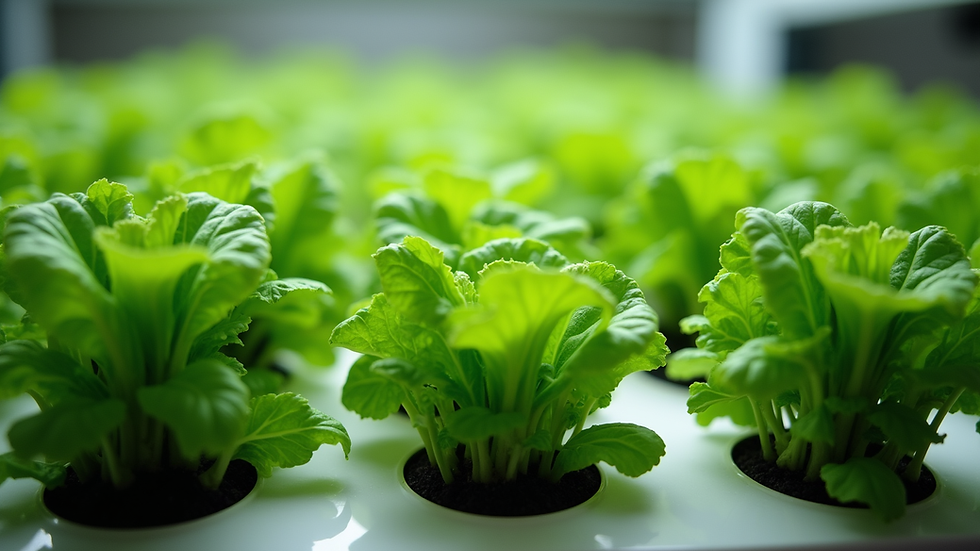
How to Build a DIY Hydroponics System
Building your own hydroponics system might sound complicated, but it’s actually quite straightforward. Here’s a simple step-by-step guide to get you started:
Materials You’ll Need
A container or tray to hold water and nutrients (plastic tubs or old storage boxes work well)
Net pots or small cups with holes for plant roots
Growing medium like coco peat, perlite, or clay pellets
Nutrient solution (special hydroponic nutrients available online or in garden stores)
An air pump and air stone (to oxygenate the water)
Seeds or seedlings of your favorite plants (lettuce, spinach, mint, and tomatoes are great starters)
A water pump (optional, for larger systems)
Step 1: Choose Your System Type
There are several types of hydroponic systems, but for beginners, I recommend the Nutrient Film Technique (NFT) or Deep Water Culture (DWC). NFT involves a thin film of nutrient solution flowing over the roots, while DWC suspends roots in oxygenated water.
Step 2: Set Up the Container
Clean your container thoroughly. If you’re using DWC, fill it with water and add the nutrient solution according to the instructions. Place the air stone connected to the air pump at the bottom to keep the water oxygen-rich.
Step 3: Prepare the Net Pots
Fill the net pots with your growing medium and plant your seeds or seedlings. Make sure the roots can reach the nutrient solution.
Step 4: Assemble and Monitor
Place the net pots in holes on the container lid so the roots hang into the water. Turn on the air pump and check the water level and nutrient concentration regularly. Keep the system in a spot with good sunlight or use grow lights if indoors.
Step 5: Watch Your Plants Grow
Within days, you’ll see roots growing and leaves sprouting. Keep an eye on pH levels (ideally between 5.5 and 6.5) and nutrient strength. Adjust as needed.
This simple setup can be expanded as you gain confidence. You can even build vertical towers or larger beds for more plants.
Can I Make My Own Hydroponic System at Home?
Absolutely! One of the best things about hydroponics is that you don’t need fancy equipment or a big budget. I started with just a plastic tub and some basic supplies from the local market. Here’s how you can do it too:
Start Small: Use recycled containers like old buckets or plastic boxes.
Use Local Materials: Coco peat and perlite are easily available in India and make excellent growing mediums.
DIY Nutrient Mixes: While commercial nutrients are best, you can experiment with homemade organic solutions using compost teas or fish emulsion.
Learn and Adapt: Every home environment is different. Keep notes on what works and what doesn’t.
I found that patience and observation are key. Sometimes plants need a little extra light or a tweak in nutrients. But the joy of harvesting your own fresh salad leaves makes it all worthwhile.
Tips for Success with Hydroponics in India
Growing hydroponically in India comes with unique challenges and opportunities. Here are some tips I’ve learned along the way:
Climate Considerations: India’s climate varies widely. In hot regions, keep your system shaded during peak sun hours to prevent overheating. In cooler areas, use simple heaters or keep plants indoors.
Water Quality: Use filtered or rainwater if possible. Hard water can affect nutrient absorption.
Pest Management: Hydroponics reduces pests, but keep an eye out for aphids or fungal infections. Use natural remedies like neem oil.
Crop Selection: Start with easy-to-grow plants like lettuce, spinach, coriander, and mint. Once confident, try tomatoes, peppers, or strawberries.
Regular Maintenance: Change the nutrient solution every 2-3 weeks and clean your system to prevent algae and bacteria buildup.
By following these tips, you’ll create a thriving hydroponic garden that suits your local conditions.
Why Learning Hydroponics is a Game-Changer
Hydroponics is more than just a hobby. It’s a skill that can transform how we think about food and farming. For students, entrepreneurs, and home growers, mastering hydroponics opens doors to innovation and sustainability.
Educational Value: It’s a hands-on way to learn biology, chemistry, and environmental science.
Business Potential: Hydroponic farming can be a profitable venture with low startup costs and high yields.
Community Impact: Growing your own food reduces dependence on supply chains and promotes healthier eating.
Environmental Benefits: Less water use, no soil degradation, and reduced pesticide use help protect our planet.

Your First Step Towards a Greener Future
I encourage you to explore the world of hydroponics through the right guidance, practical knowledge, and expert support. The journey of learning hydroponics is not just exciting — it can truly transform your lifestyle.
But instead of struggling with random videos or incomplete information…👉 Why not learn everything step-by-step from experts?
The Modern Hydroponic Course by Maximum Cultivator gives you exactly that — a complete roadmap from beginner to advanced level.
💡 With this course, you can:
Grow your own fresh, chemical-free food at home 🥬
Understand nutrients, pH, and hydroponic systems easily
Learn to grow 21+ crops step-by-step 🌱
Even start your own hydroponic farming business 💰
👉 And the best part? You can learn anytime, anywhere — at just ₹1799.
Start Your Journey Today
Starting a DIY hydroponics system is more than just a hobby — it’s a step towards health, sustainability, and financial growth.
Imagine this 👇
Fresh vegetables directly from your home
No chemicals, no soil, just clean food 🌍
A skill that can turn into income 🚀
This journey is filled with discovery, patience, and success — and the right course can make it 10x easier and faster.
Don’t Just Learn… Grow & Earn
Remember, every expert was once a beginner. The difference? 👉 They took the first step.
Thousands of students have already started their hydroponic journey with Maximum Cultivator… now it’s your turn. Join the Modern Hydroponic Course today.
👉 Start your smart farming journey today:


Comments